Skip to content
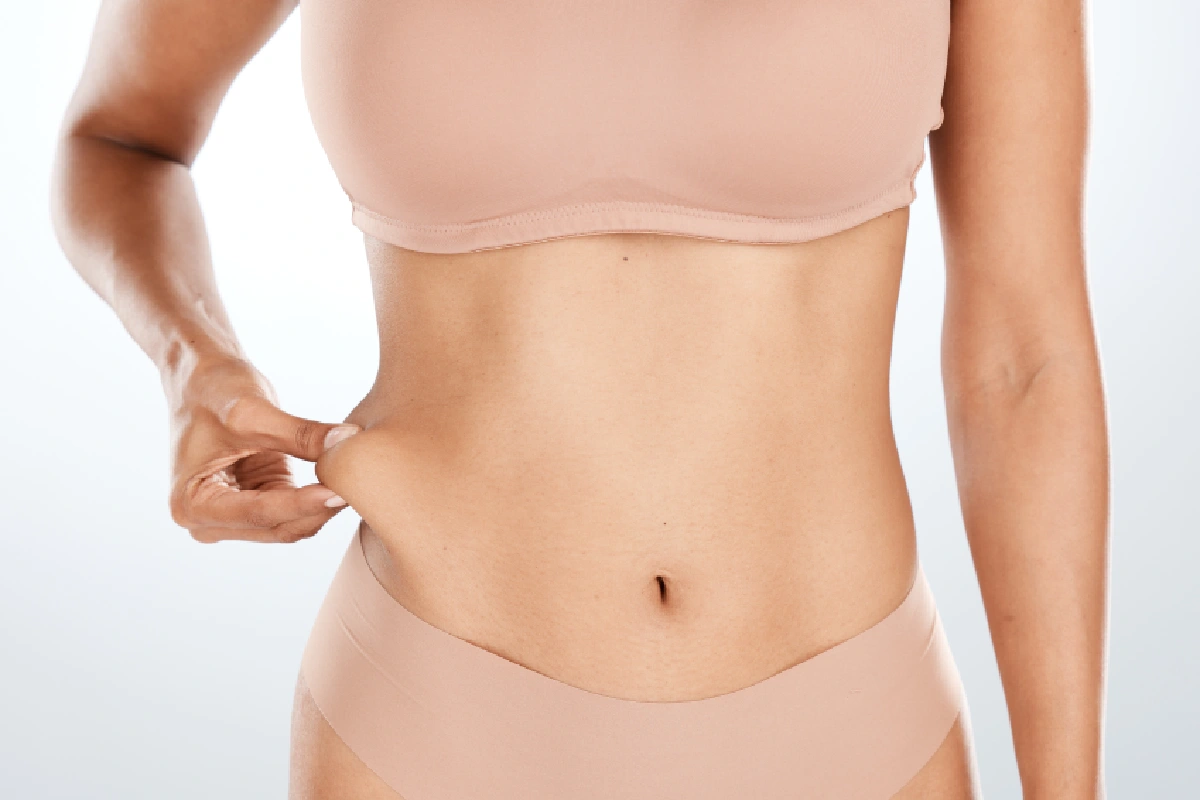
Table of Contents
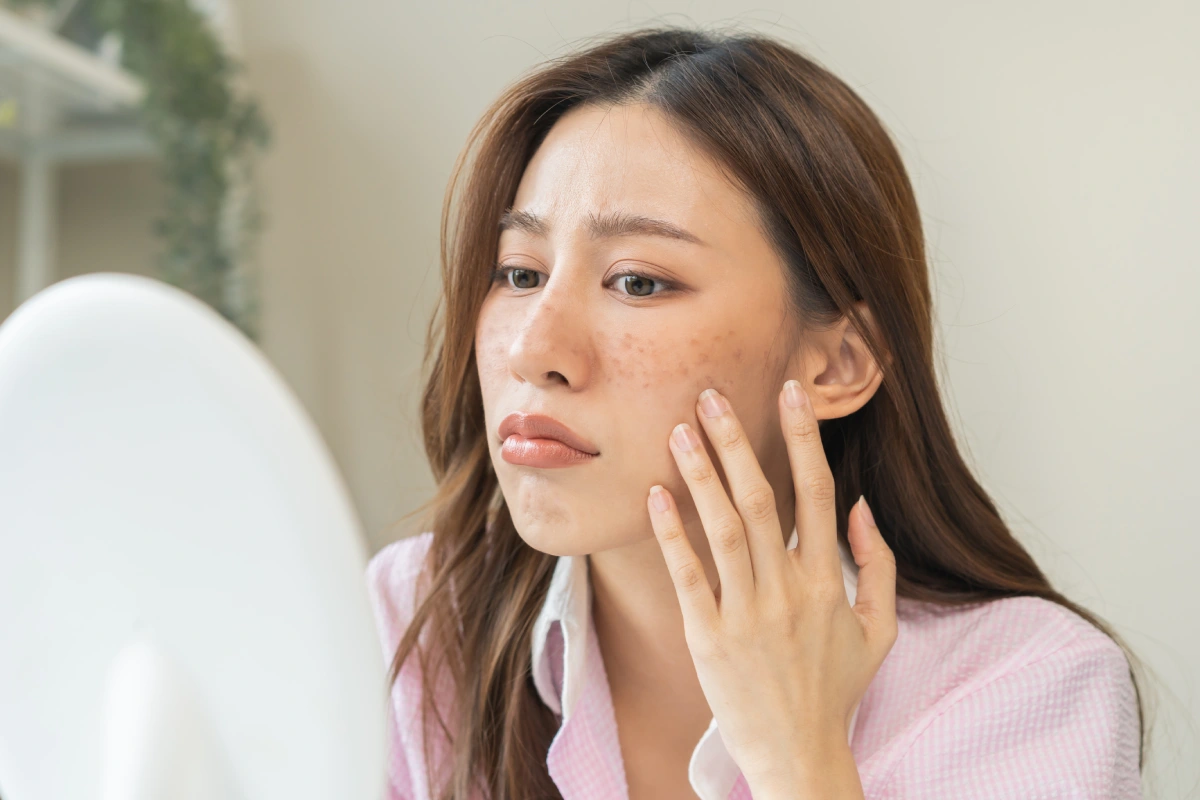
You’ve adjusted your meals, kept up a workout routine, and watched most of your body change over time. Yet one area, maybe your midsection, your thighs, or the skin beneath your chin, looks the same as it did a year ago. This experience is common, and it usually has nothing to do with effort or discipline. Certain fat deposits simply don’t respond to conventional weight loss the way the rest of the body does.
Why Won’t Some Fat Go Away No Matter How Much I Diet And Exercise?
Certain fat deposits resist typical diet and exercise because of how the body stores and releases fat in the first place, not because of anything you’re doing wrong. Genetics largely determine which areas hold a denser concentration of fat cells, while hormones and age influence how easily those cells shrink over time.
Why Certain Areas Resist Change
Fat distribution is shaped largely by genetics. Your body has its own pattern for where it stores fat and which areas it draws from first during weight loss, and that pattern is different for everyone. Hormones add another layer. Estrogen tends to direct fat toward the hips and thighs, while cortisol is associated with fat that collects around the abdomen and stays put regardless of activity level.
The core issue is that diet and exercise shrink the size of fat cells throughout the body, but they don’t reduce how many fat cells exist in a given area. If a region naturally holds a denser concentration of fat cells, it can remain visibly fuller even as the rest of the body slims down. This is what makes certain contour areas resistant to exercise, no matter how consistent the routine.
Age plays a role as well. Metabolism slows gradually over the years, and fat cells in some regions become harder to shrink even when total body fat goes down. Someone in their thirties or forties may notice that areas which once responded to a new workout habit now hold their shape regardless of effort. None of this reflects a change in commitment. It reflects how the body’s fat storage system naturally shifts with time.
Signs a Fat Deposit May Need a Different Approach
A few patterns suggest that a stubborn area is unlikely to change through lifestyle habits alone:
- The area hasn’t shifted despite significant, sustained weight loss elsewhere on the body
- The fat feels dense or firm rather than soft when compared to surrounding tissue
- The deposit creates a shape or proportion that doesn’t match your fitness level
- Clothes fit differently around one specific area even as your overall size changes
- The concern has stayed consistent for a year or more despite regular exercise
If several of these apply to you, it may be worth looking into options beyond additional dieting. Recognizing these patterns early can also save time and frustration, since continuing the same routine rarely changes an area that isn’t responding to it in the first place.
What Liposuction Actually Does
Liposuction is a targeted fat removal treatment used to address localized deposits that haven’t responded to lifestyle changes. It is not designed as a weight-loss method, and it isn’t suited for patients who are significantly overweight. Rather, it’s intended for people who are close to their goal weight but have specific areas of disproportionate fat.
During the procedure, small incisions allow a thin cannula to be inserted into the treatment area, where fat cells are gently suctioned out. Because these cells are physically removed, results in the treated area are generally permanent, provided body weight stays relatively stable afterward. Many patients pursue liposuction for stubborn fat on the abdomen, flanks, thighs, upper arms, or under the chin, sometimes alongside procedures like a tummy tuck to address loose skin in the same session.
Candidacy and Recovery
Good candidates for liposuction are typically near their target weight, have reasonably elastic skin, and are in good general health. Expectations matter as much as physical readiness, since this procedure is meant to refine proportion rather than produce dramatic weight change. Patients who smoke, have significant loose skin, or are seeking a substitute for long-term healthy habits are usually not well suited to the procedure.
Recovery varies based on the number of areas treated, but most patients experience swelling and bruising for one to two weeks. A compression garment is typically worn for several weeks to support the skin as it adjusts. Many people return to desk-based work within a few days, though more strenuous activity is usually paused for three to four weeks. Because initial swelling masks the final result, the true contour tends to emerge gradually over one to three months.
Maintaining results afterward comes down to keeping body weight relatively stable. The number of fat cells in the treated area is reduced permanently, but remaining fat cells elsewhere can still grow if overall weight increases significantly. A short consultation is usually enough for a provider to review your health history, examine the areas of concern, and outline what recovery might look like for your specific situation.
A Reasonable Next Step
If diet and exercise have brought noticeable change everywhere except one area, that isn’t a sign of failure. It likely means the fat cells in that region simply aren’t responsive to the tools available through lifestyle changes alone. A conversation with a board-certified provider can help clarify whether a targeted procedure fits your goals, your body, and your timeline.
Fat Suction Surgery at Afzal Clinics
At Afzal Clinics, liposuction combines precise body sculpting with clinical expertise, helping patients reclaim their confidence and achieve the contours they’ve envisioned. Our team proudly serves patients throughout Minneapolis, Edina, and Fridley, offering advanced in-office fat suction surgery in Minneapolis & Edina, MN, performed by Dr. Kamran Afzal, MD, a board-certified physician with over a decade of experience in lipo surgery.
If stubborn fat has resisted your best efforts with diet and exercise, exploring a fat removal procedure designed around your specific goals, with expert care close to home, may be a reasonable next step to consider.
Book Your Liposuction Consultation Today!
Frequently Asked Questions
Is liposuction meant to replace diet and exercise?
No, liposuction addresses localized fat deposits and is not intended as a general weight-loss method.
Are the results from liposuction permanent?
The fat cells removed during the procedure do not return, though remaining cells can still expand with weight gain.
How long does recovery typically take?
Most patients resume light daily activity within a few days, while more demanding exercise usually waits three to four weeks.