Skip to content

Table of Contents
Shaving and waxing can feel like an endless cycle, especially if they leave behind painful ingrown hairs, razor bumps, and rough stubble only days later. Many people begin looking for longer-lasting solutions after dealing with repeated irritation that affects both comfort and confidence. Laser hair removal is a popular option because it targets hair at the follicle, helping reduce future growth while improving the overall appearance and feel of the skin.
Can Laser Hair Removal Completely Eliminate Ingrown Hairs?
Laser hair removal may significantly reduce ingrown hairs, but individual results vary, and occasional ingrown hairs can still occur.
How Do Ingrown Hairs and Coarse Regrowth Develop?
Ingrown hairs occur when a hair curls or grows back into the skin instead of emerging normally through the surface. This often causes redness, tenderness, swelling, and small bumps that can resemble acne. Areas that experience frequent shaving or waxing, such as the legs, underarms, bikini area, neck, and face, are especially prone to this problem.
Hair texture also plays a role. Thick, coarse, or curly hair has a greater tendency to bend back into the skin during regrowth. Repeated shaving can leave blunt hair tips that are more likely to become trapped beneath the surface. Over time, recurring irritation may also contribute to discoloration and uneven skin tone.
Understanding why ingrown hairs occur helps explain why treatments that reduce active hair growth can make a noticeable difference.
How Does Laser Hair Removal Help Reduce Ingrown Hairs?
Unlike shaving or waxing, Laser Hair Removal works by delivering concentrated light energy into active hair follicles. The pigment within the follicle absorbs the light, which gradually reduces the follicle’s ability to produce new hair over multiple treatment sessions.
As fewer hairs grow back, there are simply fewer opportunities for them to become trapped beneath the skin. Many patients also notice reducing painful ingrown hairs because treated hair often returns finer and less dense than before.
Another advantage is that laser treatment reduces the need for frequent shaving. Less shaving means less irritation, fewer cuts, and less friction against the skin, all of which contribute to healthier-looking skin over time.
Results vary from person to person, but many individuals experience smoother skin after completing their recommended treatment plan.
Can Laser Hair Removal Make Hair Grow Back Less Coarse?
For many patients, yes. One of the commonly reported benefits is softening coarse hair regrowth after several treatment sessions.
Hair grows in cycles, which is why multiple appointments are necessary. During each session, the laser targets follicles that are actively producing hair. As additional follicles are treated over time, hair often becomes:
- Finer
- Lighter in texture
- Less dense
- Slower to return
Some follicles may eventually produce new hair due to hormonal changes or natural aging, which is why occasional maintenance sessions may be recommended. Even then, the regrowth is frequently much easier to manage than before treatment.
Beyond Hair Reduction: How Laser Hair Removal Can Improve Skin Appearance
Many people first schedule treatment because they want less hair, but they are often equally pleased with the improvements in their skin.
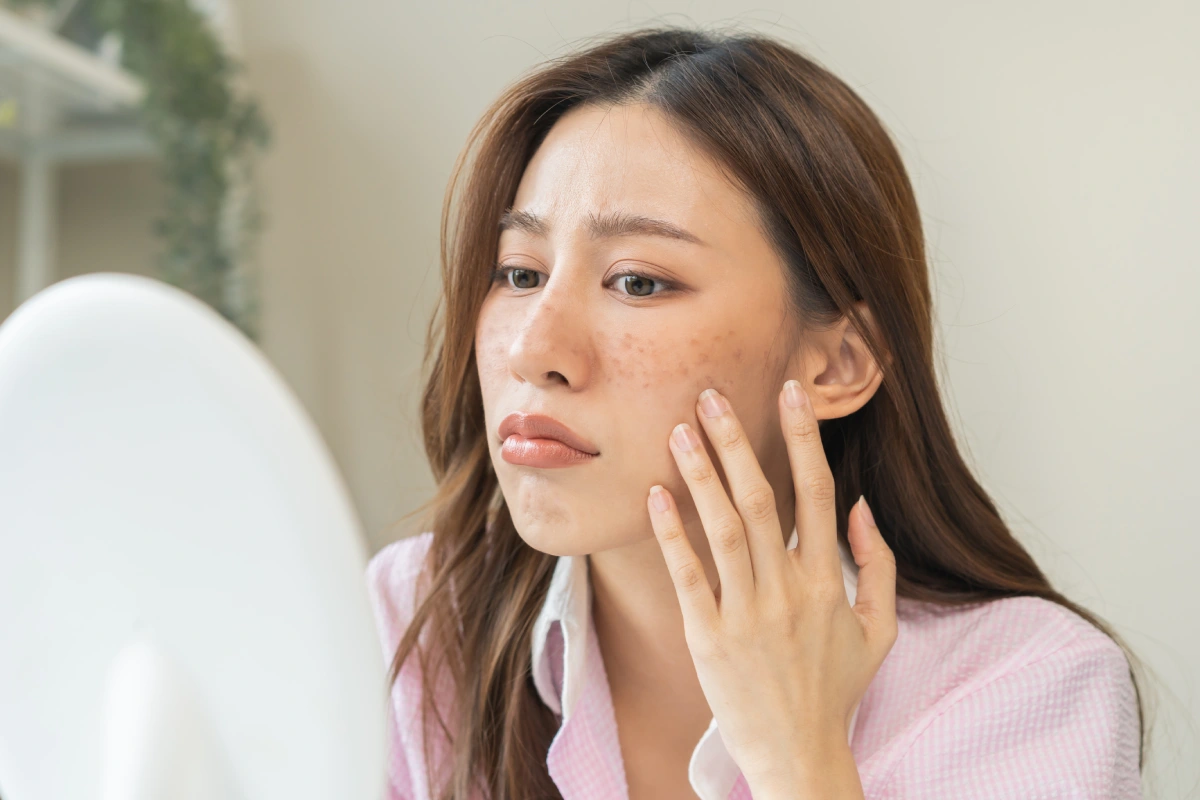
Repeated shaving and ingrown hairs can leave behind inflammation that lingers long after the hair has disappeared. Small injuries from razors may also contribute to post-inflammatory hyperpigmentation, especially in individuals with medium to darker skin tones.
By reducing the need for constant shaving, laser hair removal may support:
- improving skin softness
- clearing chronic razor bumps
- laser hair removal for dark spot prevention
- reducing hyperpigmentation and shaving bumps
- fading dark spots from shaving
These improvements develop gradually as the skin experiences fewer episodes of irritation. While laser treatment is not designed specifically to erase existing pigmentation, reducing the source of repeated inflammation may allow the skin to recover more evenly over time.
Areas That Often Benefit Most from Treatment
Some parts of the body are more susceptible to ingrown hairs than others. These areas often respond well to laser treatment because they are regularly shaved or waxed.
Legs
People who shave several times each week may notice razor burn, ingrown hairs, and rough regrowth. Laser treatment helps decrease future hair growth while making maintenance easier.
Bikini Area
This area experiences frequent friction from clothing, making ingrown hairs particularly uncomfortable. Reducing hair growth may help minimize recurring irritation.
Underarms
The combination of moisture, friction, and frequent shaving can contribute to persistent razor bumps. Many patients appreciate smoother underarm skin after completing treatment.
Face and Neck
Facial hair removal can reduce daily shaving for both women and men. This is especially beneficial for individuals who regularly experience ingrown hairs along the jawline or neck.
Back and Chest
These larger treatment areas are often difficult to shave consistently. Laser treatment provides a more convenient long-term solution for unwanted hair growth.
Who Is a Good Candidate for Laser Hair Removal?
Laser treatment may be worth discussing with a provider if you regularly experience skin irritation related to hair removal.
You may be a good candidate if you:
- Frequently develop ingrown hairs after shaving or waxing.
- Have coarse or dense hair that grows back quickly.
- Experience repeated razor bumps or follicle irritation.
- Want to reduce the time spent shaving.
- Are interested in hair reduction procedures for stubborn follicle inflammation that fit your skin type and treatment goals.
A consultation allows your provider to evaluate your skin tone, hair color, medical history, and expectations before developing an individualized treatment plan.
What Can You Do to Maximize Your Results?
Successful treatment depends on consistency and proper aftercare. Following your provider’s recommendations can improve both comfort and outcomes.
Here are several helpful tips:
- Shave the treatment area before your appointment if instructed.
- Avoid waxing or tweezing between laser sessions since the follicle must remain intact.
- Protect treated skin from excessive sun exposure.
- Apply recommended skincare products to soothe temporary redness.
- Complete the full series of treatments for the best long-term reduction.
These simple habits help ensure that each session targets as many active follicles as possible.
Laser Hair Removal At Afzal Clinics
If recurring razor burn, ingrown hairs, or unwanted hair have become part of your routine, Afzal Clinics offers advanced laser hair removal designed to support smoother, healthier-looking skin. Serving patients throughout Edina, Fridley, and Minneapolis, our team utilizes advanced laser technology to target hair follicles at the source while helping minimize future regrowth.
Treatment can be performed on multiple areas, including the face, underarms, legs, bikini area, back, and other commonly treated regions. Each treatment plan is personalized to the patient’s skin type, hair characteristics, and cosmetic goals to maximize comfort throughout the process.
For individuals seeking an alternative to constant shaving or waxing, Afzal Clinics provides professional care focused on long-term hair reduction while supporting smoother skin and fewer shaving-related concerns.
Start your journey with laser hair removal.
Frequently Asked Questions
How many laser hair removal sessions are usually needed?
Most patients require multiple sessions because hair grows in different cycles and not every follicle can be treated at the same appointment.
Is laser hair removal helpful for coarse leg hair?
Many patients notice finer, less dense regrowth over time, making coarse leg hair easier to manage.
Can laser hair removal help reduce dark marks caused by shaving?
By decreasing repeated shaving and irritation, laser hair removal may help reduce the factors that contribute to dark marks over time.