Skip to content


Table of Contents
For many people, even the healthiest lifestyle isn’t enough to eliminate stubborn fat. You can commit to regular workouts, follow a nutritious diet, and stay hydrated, yet still find that certain areas of your body refuse to slim down.
Advances in body contouring technology have introduced several approaches to addressing localized fat deposits. One of these is cryolipolysis, a non-surgical procedure that uses controlled cooling to reduce fat cells in specific areas. Understanding how this process works, its potential benefits, and its limitations can help individuals make informed decisions about body contouring.
The Challenge of Stubborn Fat
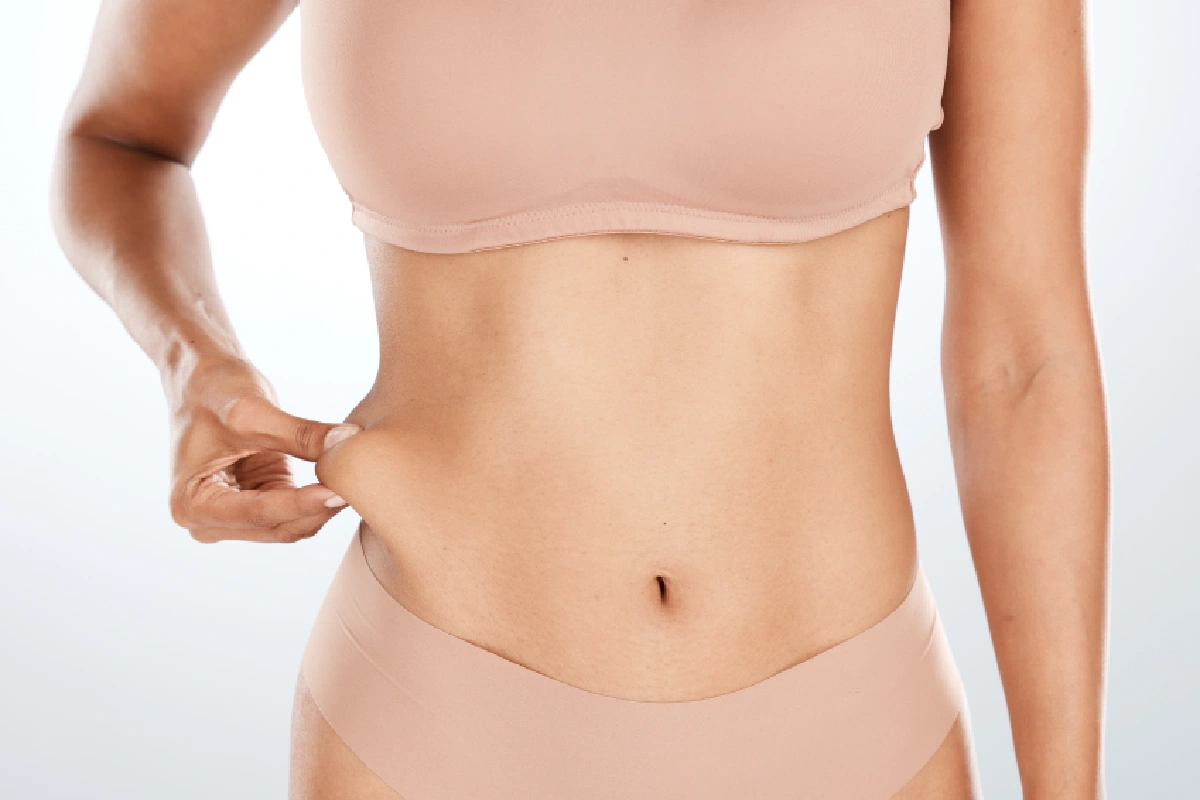
Most people have at least one “trouble spot” where fat accumulates and doesn’t seem to budge. These areas vary from person to person. For some, it’s the belly; for others, it might be the thighs, love handles, or under the chin.
This type of fat is often subcutaneous, meaning it sits just beneath the skin. It differs from visceral fat, which surrounds internal organs. Subcutaneous fat can be more resistant to changes in appearance from exercise and diet, although both types of fat respond to overall changes in body composition.
The body is naturally predisposed to store fat in specific areas for energy reserves and protection. Factors like age, genetics, hormones, and lifestyle habits further influence where and how much fat accumulates. That’s why even after reaching a healthy weight, localized pockets of fat may remain.
These fat deposits can affect clothing choices and how people feel about their appearance. Understanding why they persist and how different fat-reduction approaches work can provide useful context when exploring available options.
What Is Cryolipolysis?
Cryolipolysis is a non-surgical fat-reduction procedure that uses controlled cooling to target fat cells beneath the skin without incisions or general anesthesia.
CoolSculpting Elite is one device that uses this technology. It is an updated version of the original CoolSculpting system, featuring redesigned applicators intended to improve contact with the body’s natural contours and allow certain areas to be treated simultaneously. Learn more about CoolSculpting Elite and how the technology is used for localized fat reduction.
At the core of this technology is a process called cryolipolysis, which refers to the selective effects of cold on fat tissue. Research has shown that fat cells are susceptible to controlled cooling, although surrounding tissues can also be affected by the procedure.
When exposed to carefully controlled temperatures, fat cells undergo a process of injury and gradual breakdown. The body then processes the affected cells over time, primarily through its normal inflammatory and metabolic pathways. The skin, muscles, and nerves are not intended to be the primary targets of treatment, but temporary or, in rare cases, more serious complications can occur.
The reduction in fat cells within a treated area may persist over time. However, remaining fat cells can still enlarge with weight gain, and body composition may change as a person ages. For this reason, fat reduction does not prevent future changes in body shape.
How Cryolipolysis Affects Stubborn Fat Areas
Understanding the difference between weight loss and localized fat reduction helps explain how cryolipolysis works.
Weight loss generally reduces the size of fat cells throughout the body. Cryolipolysis, in contrast, is designed to reduce the number of fat cells in specific treated areas.
Here are several important characteristics of this approach:
Dual Applicators and Treatment Coverage: Some device configurations allow two areas to be treated simultaneously, which may reduce overall treatment time depending on the treatment plan.
Fit for Natural Curves: Applicator designs vary, and their shape helps determine how the device contacts and treats different areas of the body.
Localized Fat Reduction: Some clinical studies have reported reductions in the thickness of the fat layer in treated areas. The degree of change varies according to the individual, the treatment area, and the protocol used. Results are not guaranteed, and claims about specific percentages should be interpreted in the context of the available clinical evidence.
Non-Surgical Approach: The procedure does not require surgical incisions or general anesthesia, although it can involve temporary discomfort and other side effects.
Limited Recovery Requirements: Many people resume regular activities shortly afterward. However, temporary swelling, bruising, tenderness, numbness, or discomfort may occur and can last for days or weeks.
These characteristics help explain why cryolipolysis is considered a body contouring option for selected individuals. Its suitability depends on medical history, the distribution of fat, individual expectations, and an understanding of the potential risks.
How Cryolipolysis Works: The Science of Fat-Freezing
The effectiveness of cryolipolysis depends on the controlled application of cooling to a localized area of subcutaneous fat.
The temperature used during treatment varies according to the device and treatment protocol. Although fat cells are sensitive to cold, there is no single temperature that guarantees fat-cell destruction across all devices, body areas, or individuals. Treatment systems are designed to deliver controlled cooling while accounting for the surrounding tissues.
Here’s how a typical treatment session works:
Assessment and Treatment Planning: A qualified healthcare professional evaluates the treatment area, reviews relevant medical history, discusses expectations, and determines whether the procedure is appropriate.
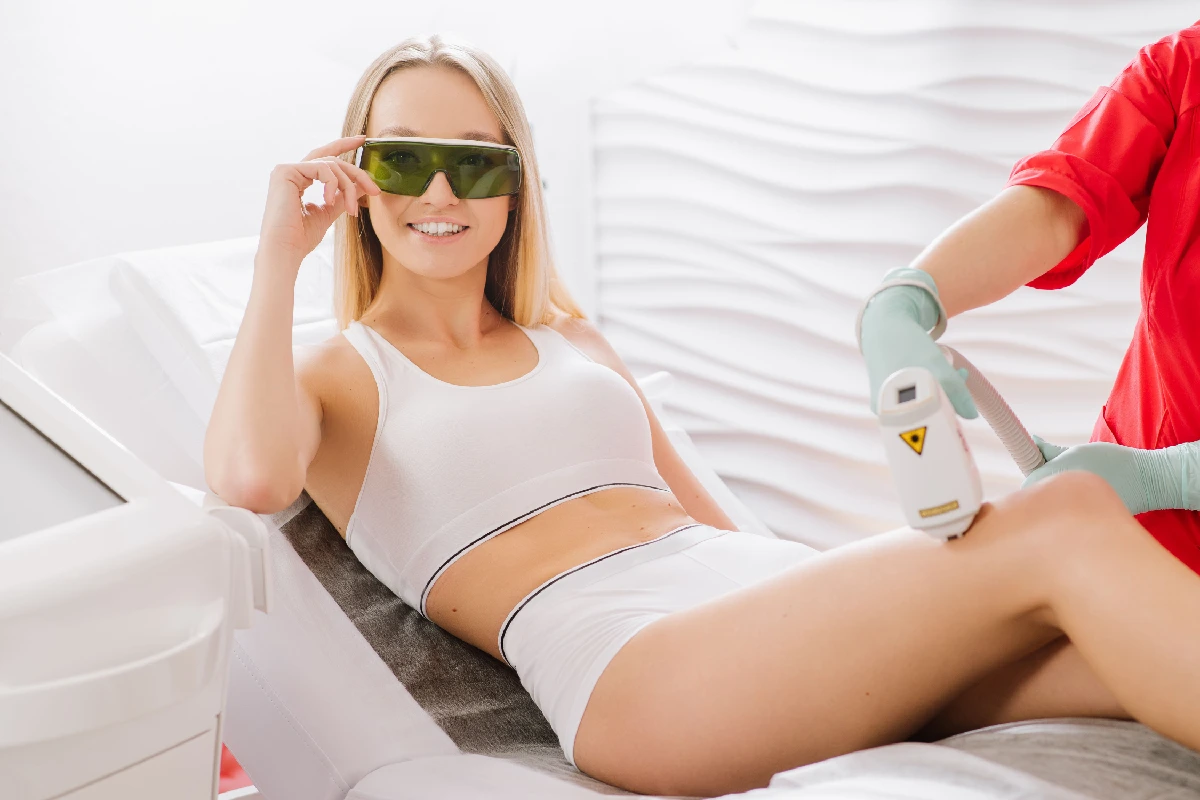
Positioning the Applicator: A specialized applicator is placed on the selected area. Depending on the device, suction may draw the tissue into the cooling panel. The sensation can include pulling, pressure, and intense cold at the beginning of treatment.
Controlled Cooling: The device delivers cooling for a specified period. With some systems, a session may last approximately 35 to 45 minutes per treatment cycle, although timing varies by device, applicator, and treatment plan. The cooling process initiates a response in the targeted fat tissue.
Natural Elimination: Over the following weeks and months, the body gradually processes the affected fat cells. Early changes may become noticeable after several weeks, while more developed results can take approximately two to three months or longer. Individual responses vary.
Because the procedure does not involve surgical incisions, extensive surgical recovery is generally unnecessary. However, the absence of a surgical recovery period does not mean the treatment is entirely risk-free or that everyone will experience the same recovery.
Common Areas Where Localized Fat Accumulates
Subcutaneous fat can accumulate in different areas depending on genetics, hormones, age, and overall body composition. Several areas are commonly discussed in relation to non-surgical fat-reduction procedures.
Abdomen: Fat around the abdomen may persist despite changes in diet and physical activity. The amount and distribution of abdominal fat vary considerably among individuals.
Flanks (Love Handles): Fat along the sides of the waist can affect the body’s overall contours and may be influenced by genetics and changes in weight.
Thighs: Inner and outer thigh fat can contribute to differences in leg shape and proportions.
Chin and Neck: Submental fat, commonly known as a double chin, can contribute to fullness beneath the chin. Its appearance can also be influenced by anatomy, skin laxity, and the position of the jaw.
Back and Bra Fat: Subcutaneous fat around the upper back and bra line can create localized bulges that vary with body composition and tissue distribution.
Arms: Fat in the upper arms may contribute to fullness, although skin laxity can also influence the appearance of this area.
Underneath the Buttocks (Banana Roll): Fat beneath the buttocks can affect the transition between the buttocks and upper thighs.
The characteristics of each area influence which approaches may be appropriate. Not all body regions are suitable for cryolipolysis, and device-specific treatment guidelines must be followed. A professional assessment can help distinguish localized fat from concerns involving skin laxity, muscle structure, or other anatomical factors.
Is Cryolipolysis Right for You?
Cryolipolysis is generally intended for adults with localized, pinchable subcutaneous fat who are close to a stable, healthy weight.
This technique is not a weight-loss procedure. Rather, it is a body contouring approach that may complement a healthy lifestyle. It does not treat obesity, provide the same benefits as weight management, or replace regular physical activity and balanced nutrition.
Candidacy depends on several factors, including the location and thickness of the fat layer, medical history, treatment goals, and the ability to tolerate the procedure. People should also understand that results may be subtle or uneven and that multiple treatment cycles may sometimes be considered.
Cryolipolysis is not appropriate for everyone. Certain cold-related disorders, including cryoglobulinemia, cold agglutinin disease, and paroxysmal cold hemoglobinuria, can make treatment unsafe. The procedure also carries a rare risk of paradoxical adipose hyperplasia, in which the treated fat tissue increases in size instead of decreasing. This change may develop months after treatment and can require surgical correction.
A qualified medical professional can evaluate individual circumstances, explain the potential benefits and limitations, and discuss alternative approaches when appropriate.
Frequently Asked Questions
How is CoolSculpting Elite different from the original CoolSculpting system?
CoolSculpting Elite uses redesigned applicators intended to fit the body’s contours and can allow two areas to be treated simultaneously in certain configurations. The exact treatment approach and expected results depend on the device, treatment area, and individual characteristics.
Can cryolipolysis help if I’m close to my ideal weight but still have localized fat?
It may help reduce selected pockets of subcutaneous fat in people who are close to a stable weight. However, the amount of fat reduction varies, and the procedure is not intended for significant weight loss.
Does cryolipolysis tighten the skin as it reduces fat?
Cryolipolysis primarily targets localized fat and is not designed as a skin-tightening procedure. Skin laxity may remain after fat reduction, and separate approaches may be considered depending on the underlying concern.
How does the body eliminate fat cells after cryolipolysis?
Following controlled cooling, affected fat cells undergo a gradual breakdown process. The body’s inflammatory and metabolic pathways help process and remove the cellular material over the following weeks and months.
How long does it take to see changes?
Some changes may become noticeable within several weeks, with more developed results often appearing over two to three months. The timeline depends on the individual, the treatment area, and the protocol used.
Are there risks or side effects associated with cryolipolysis?
Possible side effects include temporary redness, swelling, bruising, tenderness, pain, and numbness. Less commonly, persistent nerve-related symptoms or other complications may occur. Paradoxical adipose hyperplasia is a rare but important risk in which the treated area becomes enlarged rather than reduced.
Conclusion
Stubborn fat can persist for many reasons, including genetics, hormones, age, and individual patterns of fat distribution. Cryolipolysis uses controlled cooling to reduce localized subcutaneous fat, offering a non-surgical approach to body contouring for selected individuals.
Understanding how the procedure works, which areas may be suitable, how results develop, and what risks may arise is essential when evaluating the available options. Results vary, and no procedure can guarantee a particular body shape or prevent future changes in weight and fat distribution.
Consult a qualified medical professional to determine which approach is appropriate for your medical history, anatomy, and individual goals.