Skip to content
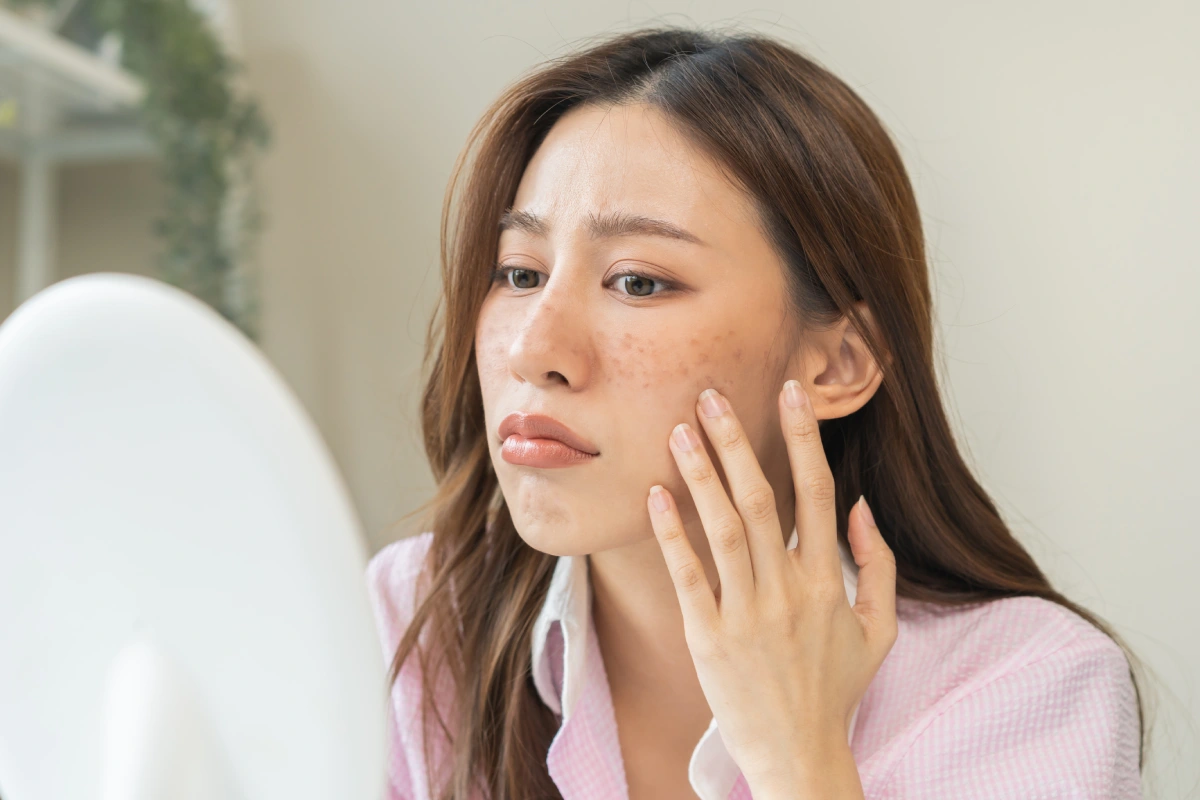
Table of Contents
Dark spots can make your usual makeup routine feel frustrating when concealer and foundation no longer give the smooth, even look you want. Broadband Light Therapy helps target visible pigmentation, sun damage, and uneven tone beneath the surface, giving your skin a clearer and more refreshed appearance over time. If you are ready to spend less time covering discoloration and more time feeling confident in your skin, this treatment may be a smart next step.
Is There Any Downtime After BroadBand Light Therapy?
Most patients can return to normal daily activities after treatment, though temporary redness, warmth, or darkening of spots may occur.
Why Dark Spots Can Become Harder to Hide
Dark spots often look more noticeable when the surrounding skin tone becomes less even. A single brown spot may be easier to cover than a mix of freckles, sun spots, redness, dullness, and patchy discoloration. Makeup can blur contrast for a few hours, but it cannot change how pigment sits in the skin.
Sun exposure is one of the most common reasons discoloration becomes more visible with age. Years of incidental UV exposure from driving, walking outside, vacations, or skipped sunscreen days can gradually affect the face, neck, chest, shoulders, arms, and hands. The change may appear slowly, then suddenly feel obvious.
Past breakouts, hormonal changes, inflammation, tanning, and certain skincare habits can also make discoloration look more persistent. Because the causes vary, a consultation matters before choosing any pigmentation treatment.
What Broadband Light Therapy Does
Broadband Light Therapy uses pulses of light energy to target visible pigment and other skin concerns. The light is absorbed by areas of discoloration, which can help the body clear treated pigment gradually. After a session, some spots may look darker for a short period before they fade or flake away.
This treatment is often discussed for sun spots, age spots, redness, and overall uneven tone. It may also be used as light therapy for sun damage, especially when sun exposure has left the skin looking blotchy rather than evenly pigmented.
The goal is improvement in the look of the skin, not a dramatic overnight change. Results can vary based on the depth of pigment, skin type, recent sun exposure, treatment area, and the number of sessions recommended.
A Different Angle on Makeup Fatigue
Many people do not seek treatment because one spot bothers them. They seek it because their routine starts revolving around correction. They know which mirror makes the spots look worse. They avoid tinted moisturizers because the coverage is not enough. They spend extra time blending the same areas and still feel the unevenness shows.
At that point, the concern becomes less about makeup and more about skin confidence. A treatment that may reduce visible skin discoloration can make daily coverage feel less demanding. Some people still enjoy wearing makeup after treatment, but the goal is for it to sit on skin that looks more balanced to begin with.
Who May Consider It
A person may consider BBL if they are bothered by sun spots, freckles, age spots, redness, or discoloration that makes the complexion look uneven. It may be especially relevant for changes on high-exposure areas like the face, chest, shoulders, and hands.
BBL may not be the right option for every type of pigmentation. Melasma, for example, can be more reactive and may require a careful plan. Recent tanning, certain medications, active skin irritation, or specific medical conditions may also affect timing and candidacy.
A provider should evaluate the skin before treatment. A safe plan depends on knowing what kind of pigmentation is present and how the skin is likely to respond.
What to Expect During and After Treatment
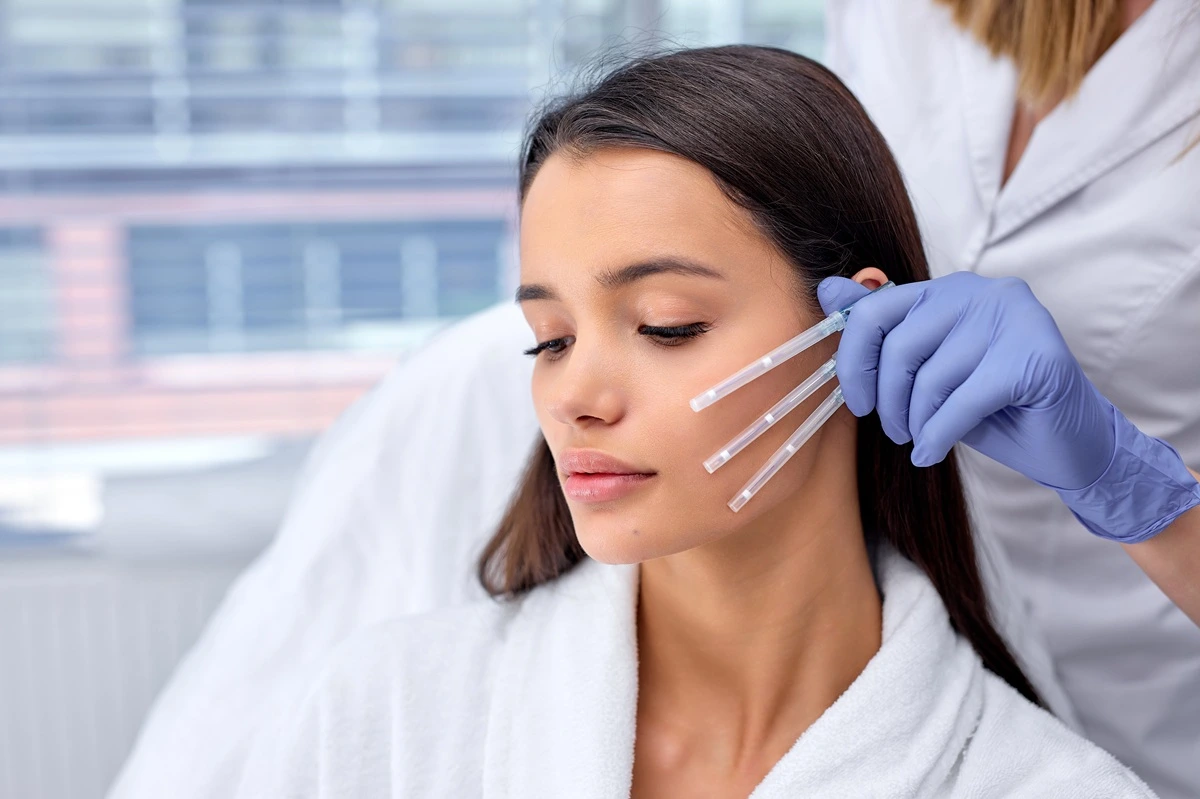
A BBL appointment is typically straightforward. The treatment area is cleaned, protective eyewear is used, and light energy is applied in pulses. People often describe the feeling as quick warmth or a light snapping sensation on the skin.
After treatment, the skin may look pink or feel warm for a short time. Brown spots may temporarily darken. In the days that follow, treated pigment can gradually come to the surface and shed. The timeline is not the same for everyone, and aftercare instructions should be followed closely.
Sun protection is especially important after a light-based treatment. UV exposure can trigger new pigment and affect treated areas. Daily sunscreen, hats, and avoiding unnecessary sun exposure help support the treatment plan.
Stubborn Pigmentation Treatment and Realistic Expectations
Dark spots that have been present for years may need more than one session. BBL is commonly done as a series, not a single visit, because pigment and sun damage can sit at different depths and respond gradually.
For someone looking for stubborn pigmentation treatment, the best approach is usually steady and measured. That may include BBL sessions, skincare adjustments, sunscreen consistency, and maintenance visits if recommended. The goal is visible improvement while respecting the limits of the skin.
No ethical provider should promise perfectly clear skin or permanent removal of every mark. Pigmentation can return, especially with ongoing sun exposure or hormonal triggers. A realistic plan focuses on reducing the appearance of discoloration and helping the skin look more even over time.
Afzal Clinics Laser Uneven Skin Tone Correction
Afzal Clinics provides Laser uneven skin tone correction in Minneapolis, Fridley, and Edina, MN for patients who want a professional option for visible discoloration, sun damage, and uneven skin tone. The clinic offers services in Edina and Minneapolis, MN.
At Afzal Clinics, BroadBand Light® (BBL) is administered by our team to treat concerns such as rosacea, acne, spider veins, and sun damaged skin. For pigmentation concerns, BBL may help improve the appearance of brown spots and blotchy tone by using light energy in a controlled treatment setting.
Schedule Your BBL Appointment.
Frequently Asked Questions
Can BroadBand Light Therapy help with dark spots?
BroadBand Light Therapy may help reduce the appearance of dark spots by targeting visible pigment caused by sun exposure, aging, and uneven skin tone.
How many BroadBand Light Therapy sessions will I need?
The number of sessions depends on your skin concerns, pigmentation depth, and treatment goals, so a consultation is needed to create the right plan
What other treatments can I combine with Broad Band Light therapy?
Broad Band Light therapy may be combined with treatments such as Botox, Dysport, or chemical peels, but a consultation is important to decide what is safe and appropriate for your skin.