Skip to content
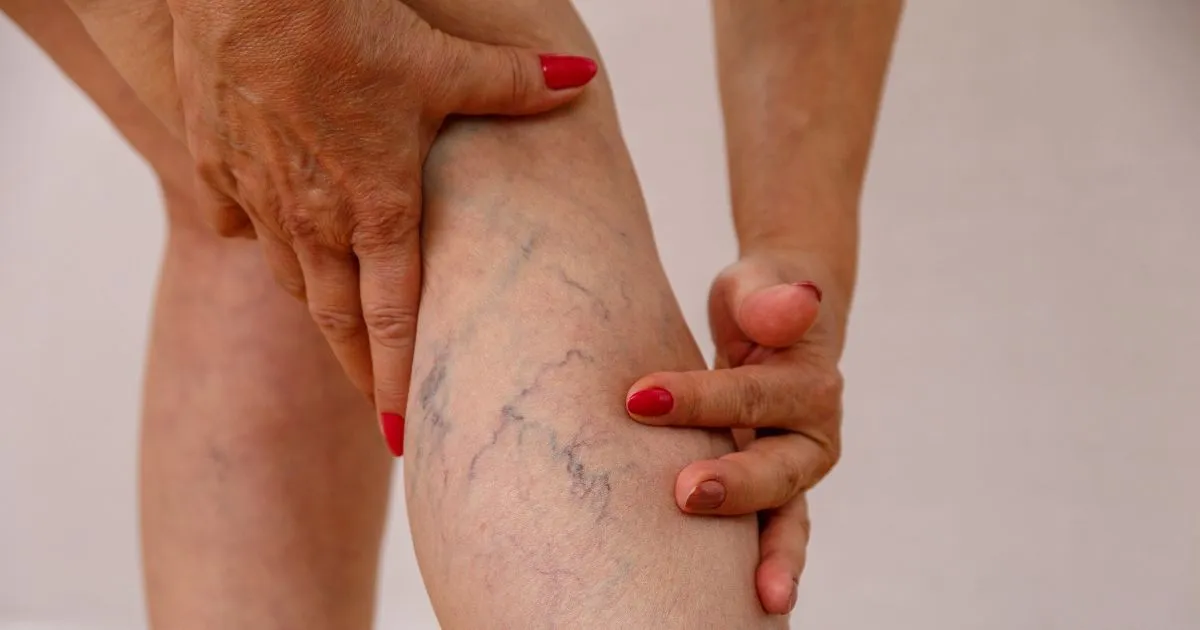
Table of Contents
Small clusters of visible veins on the legs or face are often the first sign of spider veins, a condition influenced by circulation, vessel strength, and natural changes in the body. Many people begin searching for answers once these patterns appear, only to learn that the causes of spider veins involve several interacting factors rather than a single source.
As tiny vessels weaken or expand, they rise toward the skin’s surface and form the familiar branching shape. Understanding these vascular health tips and the core spider veins causes gives individuals a clearer view of how their veins function. Plus, this information explains what contributes to long-term vein resilience.
Genetic Influence on Vessel Strength
Family history plays a significant role in many spider veins causes. People inherit the structure of their blood vessels, the thickness of their vein walls, and the efficiency of their tiny valves.
Individuals with a parent or grandparent who has visible vein patterns carry a higher chance of developing similar concerns. Some families naturally have more delicate capillary networks. On the other hand, others may inherit weaker valves in the leg veins.
Once blood struggles to travel upward efficiently, pressure builds, and the smallest vessels eventually widen.
Hormonal Shifts and Their Impact on Blood Vessels
Fluctuations in hormones can significantly alter how blood vessels behave. Estrogen, for instance, softens the walls of veins, making them more flexible.
When hormone levels rise, the vessel wall loses some of its natural firmness and becomes more prone to widening. This explains why many people notice spider veins during pregnancy, while taking hormonal birth control, or as they transition through perimenopause into menopause.
Pregnancy influences several factors at once. Blood volume increases to support the developing baby. The body gains weight at a steady rate.
Circulation becomes more demanding as abdominal pressure rises. Each of these elements increases strain on leg veins. While some of these visible vessels fade after childbirth, many remain because the internal structures have already expanded.
Pressure from Prolonged Sitting or Standing
Daily habits strongly affect vein function. Legs rely on constant, rhythmic muscle movement to help blood travel upward toward the heart.
People who work long hours standing in one place or sitting with minimal movement experience interruptions in this natural pumping motion. Once blood slows down, pressure inside the veins rises. Over time, small surface vessels begin to show the characteristic branching pattern.
Jobs that depend on static positioning, such as teaching, retail work, healthcare, or administrative roles, often increase an individual’s susceptibility.
Even frequent travelers experience this issue, since long flights or road trips keep the legs immobile for extended periods. The mentioned circulation challenges often lead to poor circulation veins. This sets the stage for visible capillary changes.
Sun Exposure and Facial Spider Veins
The skin’s supportive structure contains collagen that helps keep small vessels stable. When exposed to excessive sunlight, ultraviolet rays gradually diminish the collagen.
Too much sunlight can make the skin thinner and less elastic. This eventually exposes the tiny vessels beneath. Facial spider veins often appear on the cheeks and nose because these areas receive the most direct sunlight throughout a person’s lifetime.
Injury or Trauma to the Skin
A direct blow, surgical incision, or even repeated minor pressure can disturb fragile capillaries near the skin’s surface. When those vessels are damaged, the surrounding network becomes unstable. The body repairs the area, but the smallest veins may not return to their original size or strength. Many individuals notice small spider veins around former impact sites on the legs, shins, or face.
This type of trauma-related formation often surprises people because it appears long after the initial injury has healed. The internal structures change quietly beneath the surface, and the visible pattern emerges months later.
Weight Changes and Pressure on Leg Veins
Gaining weight alters the body’s overall pressure distribution. Extra weight increases the load carried by the leg veins. These veins already work harder than other parts of the body because they push blood upward against gravity.
Rapid weight loss can also bring spider veins into view. This is because the skin thins, revealing vessels that were previously less noticeable.
Proper hydration, muscle strengthening, and gradual weight management all help support healthy circulation habits.
Aging and Structural Changes Inside the Veins
Time gradually changes the way blood vessels function. Valve efficiency decreases as the legs age. The skin also becomes thinner and loses some of its collagen foundation.
The mentioned changes allow small surface veins to stand out more prominently. This explains why many adults begin searching for information about aging and spider veins as soon as they notice these patterns developing after age 40 or 50.
Aging is not a problem by itself. Capillaries simply respond to normal biological changes. With reduced elasticity, veins handle pressure differently than they once did.
Influence of Underlying Circulatory Conditions
Some patients experience spider veins due to deeper vein issues that affect blood flow. Venous insufficiency occurs when leg veins struggle to move blood efficiently.
Once circulation slows, smaller surface vessels expand. People may notice swelling in the ankles, heaviness in the legs, or visible changes in the skin surrounding affected areas. When left unaddressed, the tiny vessels near the surface begin to create recognizable clusters.
Treatment Options for Improving the Appearance of Spider Veins
People exploring solutions for visible vein patterns often find that modern treatments provide significant improvement with minimal discomfort or downtime.
The most widely recommended option is Sclerotherapy, a technique that introduces a specialized solution into the affected vein to gently collapse the vessel so the body can absorb it over time. This approach creates consistent, predictable results for both small and moderate-sized spider veins, which is why vein specialists frequently use it as their primary treatment method.
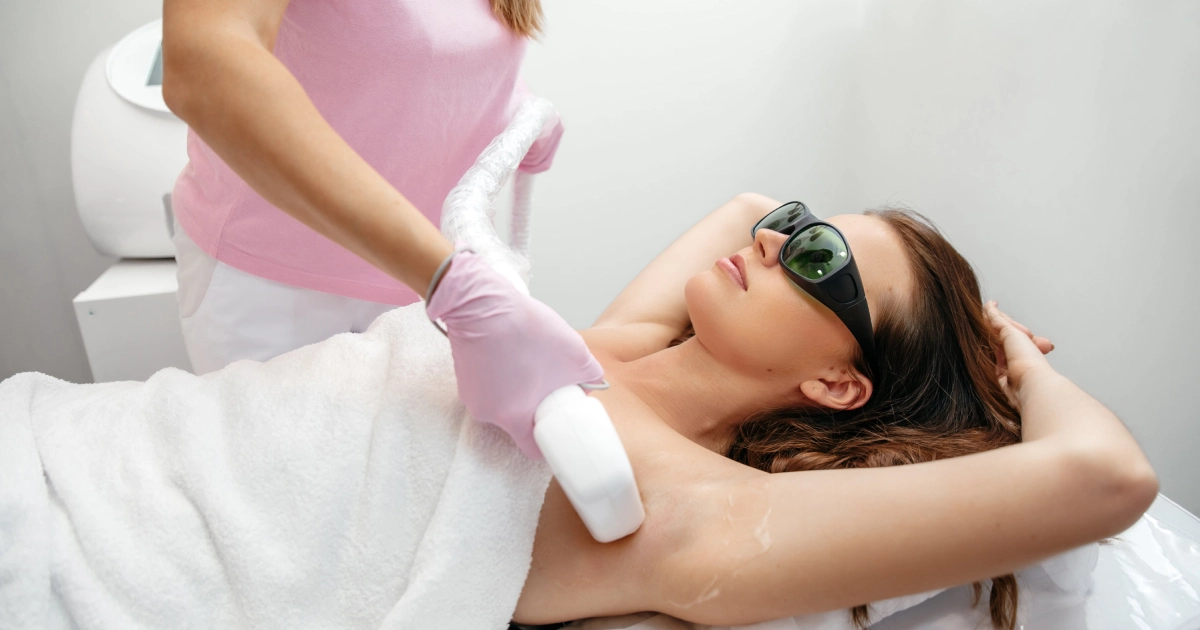
Laser-based treatments may also be recommended for very fine facial vessels or areas where injections are less practical.
Both methods aim to remove the visible network by addressing the underlying vessel. Moreover, patients typically see steady improvement after each session.
A personalized consultation helps determine which option best matches an individual’s spider vein size, location, and pattern.
Spider Vein Treatment at Afzal Clinics
Many individuals searching for treatment options look for trusted specialists who understand the complexity of vein concerns. Afzal Clinics provides highly experienced care for those seeking help with Spider Veins in Minneapolis, Fridley, and Edina, MN.
Patients receive treatment directly from Kamran Afzal, M.D., a physician who has treated spider veins for more than 14 years and has performed more than 200,000 injections. His expertise provides patients with confidence that their vein concerns are handled with precision and care.
The clinic uses only brand-name medications for injections. Patients appreciate this level of quality because it supports reliable, predictable outcomes. Afzal Clinics offers treatment in both Edina and Minneapolis, providing convenient access to individuals throughout the area.
Schedule Your Vein Health Consultation!
Frequently Asked Questions
What causes spider veins to appear?
Spider veins form when small blood vessels weaken or expand due to genetics, hormones, circulation issues, or prolonged pressure on the legs.
Are spider veins a sign of a serious medical problem?
Most spider veins are harmless, although a vein specialist can determine if underlying circulation issues are involved.
Can exercise help reduce the risk of spider veins?
Regular movement supports healthy blood flow and lowers the pressure that contributes to visible surface veins.
Do spider veins go away on their own?
Spider veins rarely fade without treatment because the affected vessels have already widened permanently.
What treatments work best for removing spider veins?
Sclerotherapy and targeted laser procedures remain the most effective options for reducing or eliminating visible spider veins.